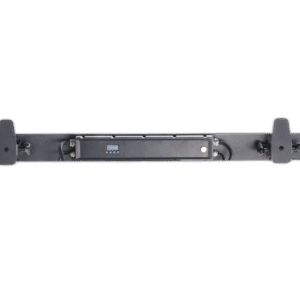
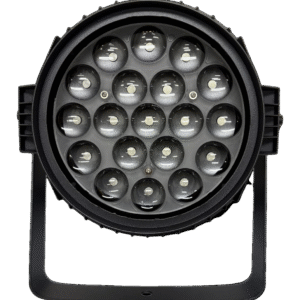
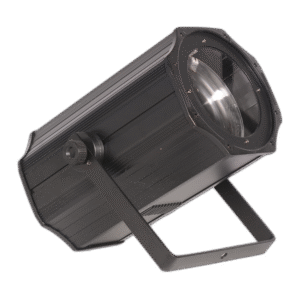
Main Features
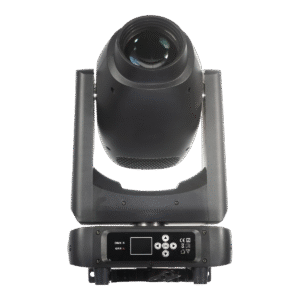
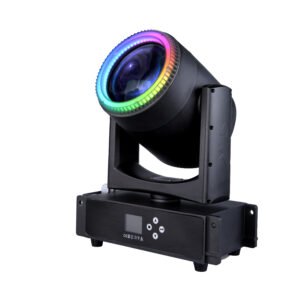
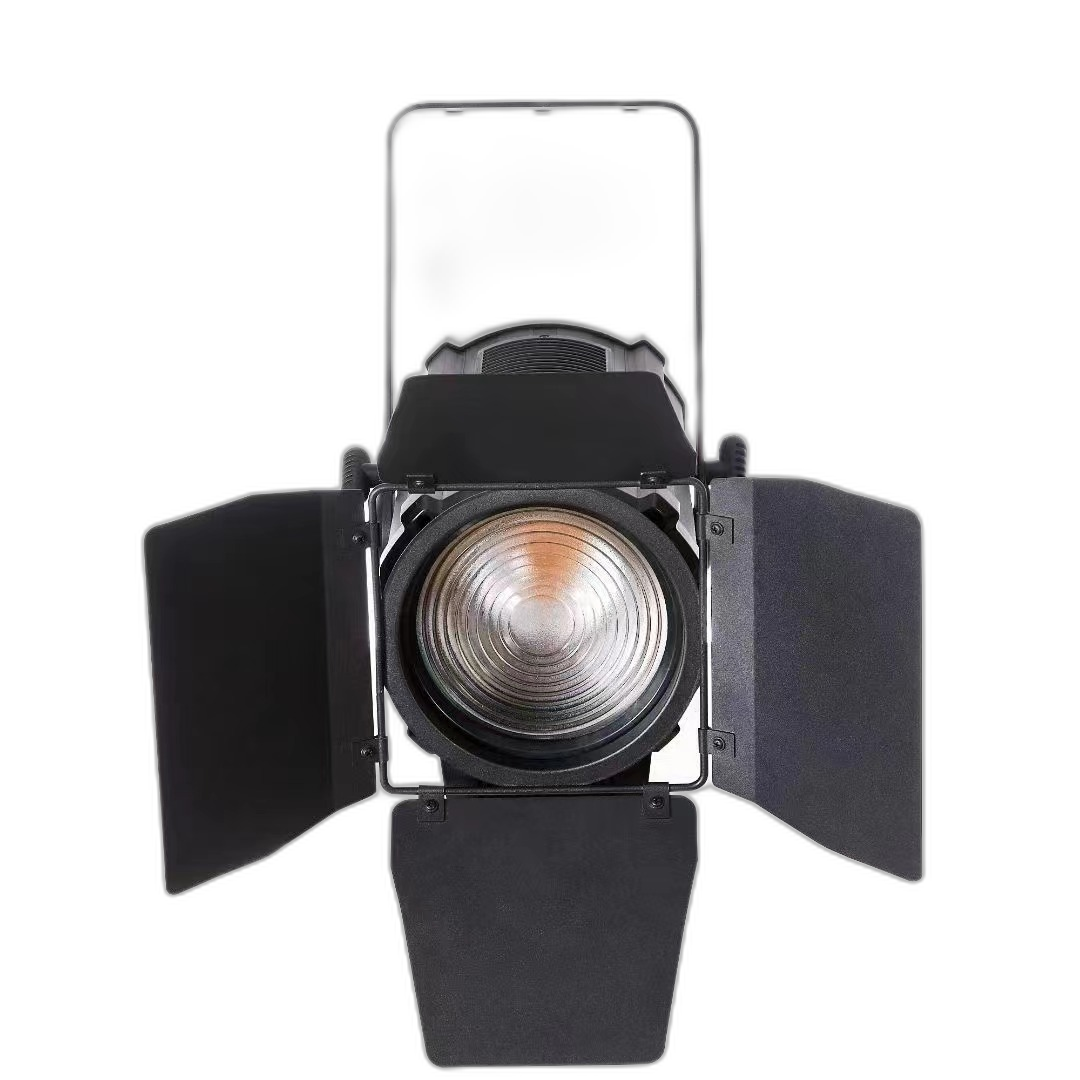
A 300W LED hybrid head with a 4°–34° motorized zoom, dual rotating prisms at 8-facet and 6-facet, 15 gobos across a fixed and a rotating glass wheel, a 9-color wheel with rainbow and 21CH DMX with RDM — beam, spot and wash from a single 14.8 kg fixture.
4°–34°: One Fixture, Three Jobs
The beam travels from 4° to 34° on a motorized zoom. At the tight end it is a hard-edged pencil shaft that cuts through haze for an entrance or a build; open it up and 34° washes a stage or a dance floor. The usual answer to that range is a narrow beam head plus a separate wash head — the 300BSW covers both from one chassis, which means fewer clamps, fewer power drops, fewer DMX addresses and a shorter load-in. The 108 mm aperture and 300W LED engine sit behind the whole zoom range, with a motorized focus system keeping the edge sharp as you move through it.
Dual Rotating Prisms: 8-Facet and 6-Facet
Prism 1 is an 8-facet linear prism and Prism 2 is a 6-facet fractal prism, and both rotate independently on their own DMX channels. That independence is the point: run one slowly and the other fast and a single beam becomes two layered fans moving against each other, which is the effect that fills the air across a room on a drop. Frost is available when a moment calls for softness rather than a hard shaft, so the same fixture can go from a cutting beam to a soft wash without a gel or a second unit.
15 Gobos Across Two Wheels
There are two gobo wheels. The fixed wheel holds 8 gobos plus open, and the rotating wheel holds 7 glass gobos plus open with independent gobo rotation. In practice that is a fixed stack of patterns for quick looks plus a rotating set that spins and travels, so a projected texture moves across a wall or a floor rather than sitting still. Layering a gobo over a prism produces the layered, fractured shapes that read as movement from the audience, and having both wheels on the fixture means those looks come from the console rather than from swapping parts before the show.
Color, Dimming and Strobe
The color wheel carries 9 colors plus white with a rainbow effect, so a full color change is a single channel move and the rainbow gives you a scroll between positions rather than a hard snap. Dimming is 0–100% linear, which keeps a fade smooth at low levels where a non-linear response tends to drop out. The strobe runs from 1S to 25Hz with multiple strobe speeds, covering everything from a slow pulse to a hard strobe effect, and all of it is driven from the desk.
21CH DMX With RDM and 540° / 270° Movement
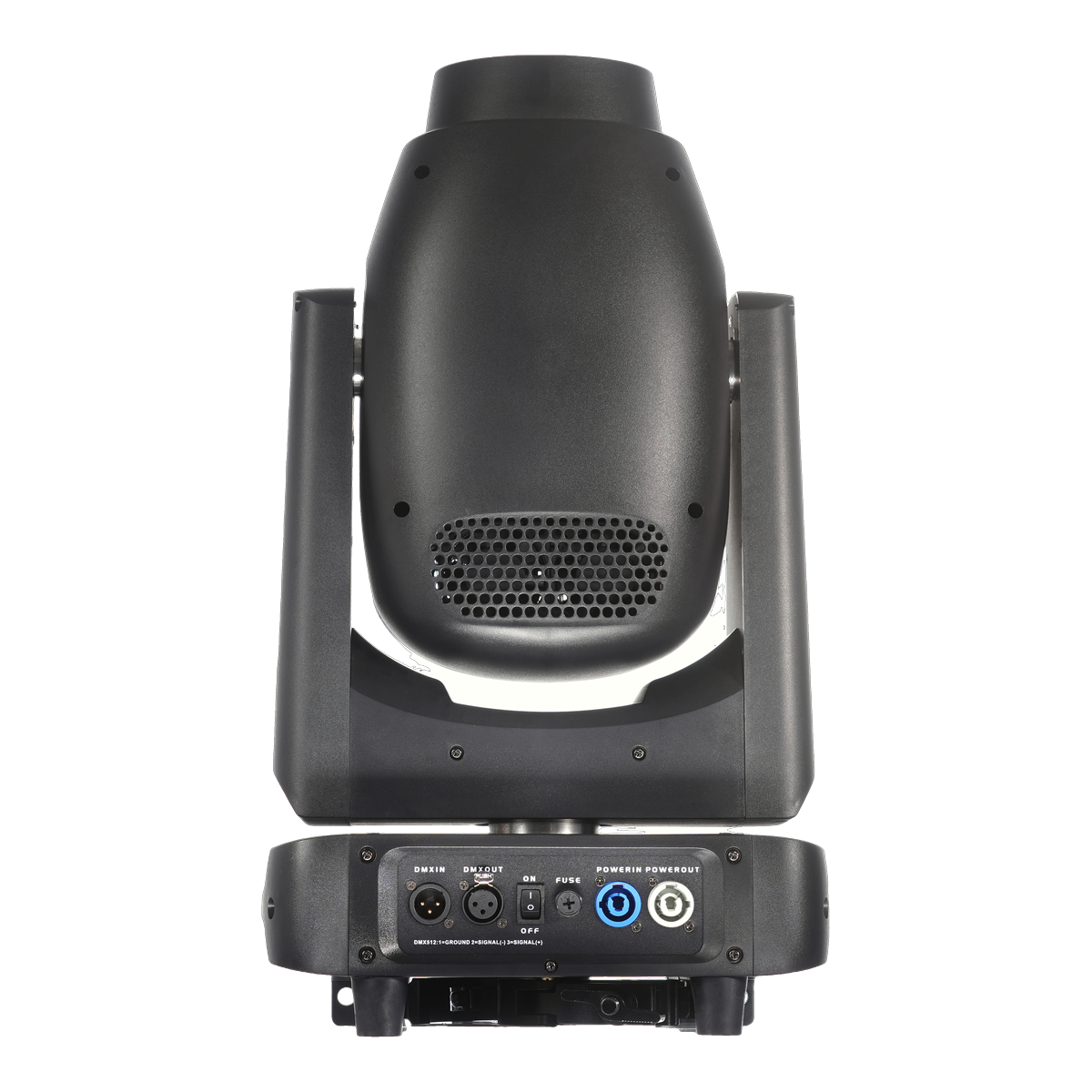
The fixture runs a single 21-channel DMX512 personality. Pan is 540° and tilt 270°, both on 16-bit scanning with dedicated fine channels, which is what gives smooth movement at slow speeds instead of visible stepping. RDM supports addressing and configuration over the DMX line, so a change of address or a status check happens from the console rather than up a ladder. Data connects on 3-pin XLR in/out (5-pin available as an option) and power uses PowerCon In/Out, so several fixtures chain from one feed.
14.8 kg and an LCD Display
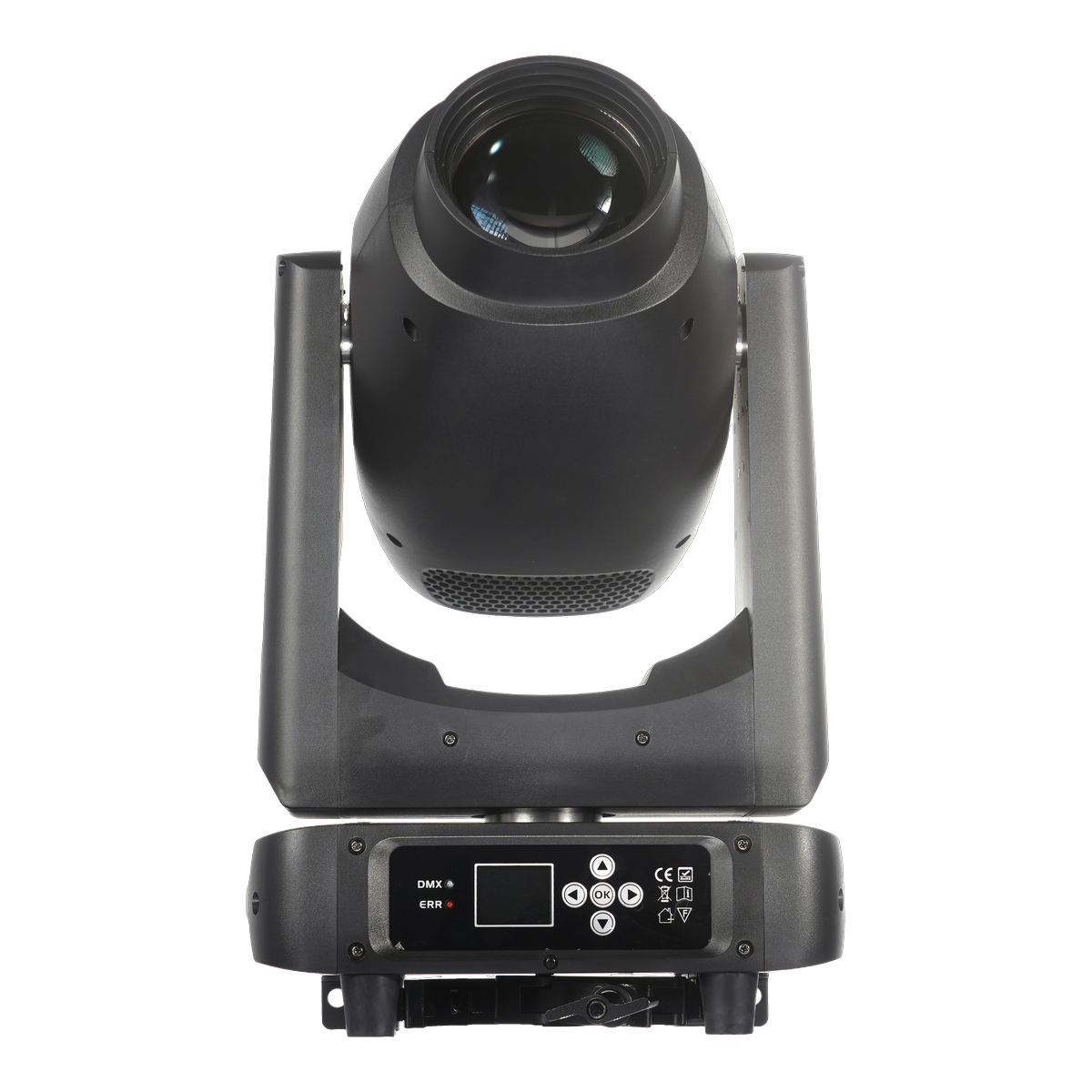
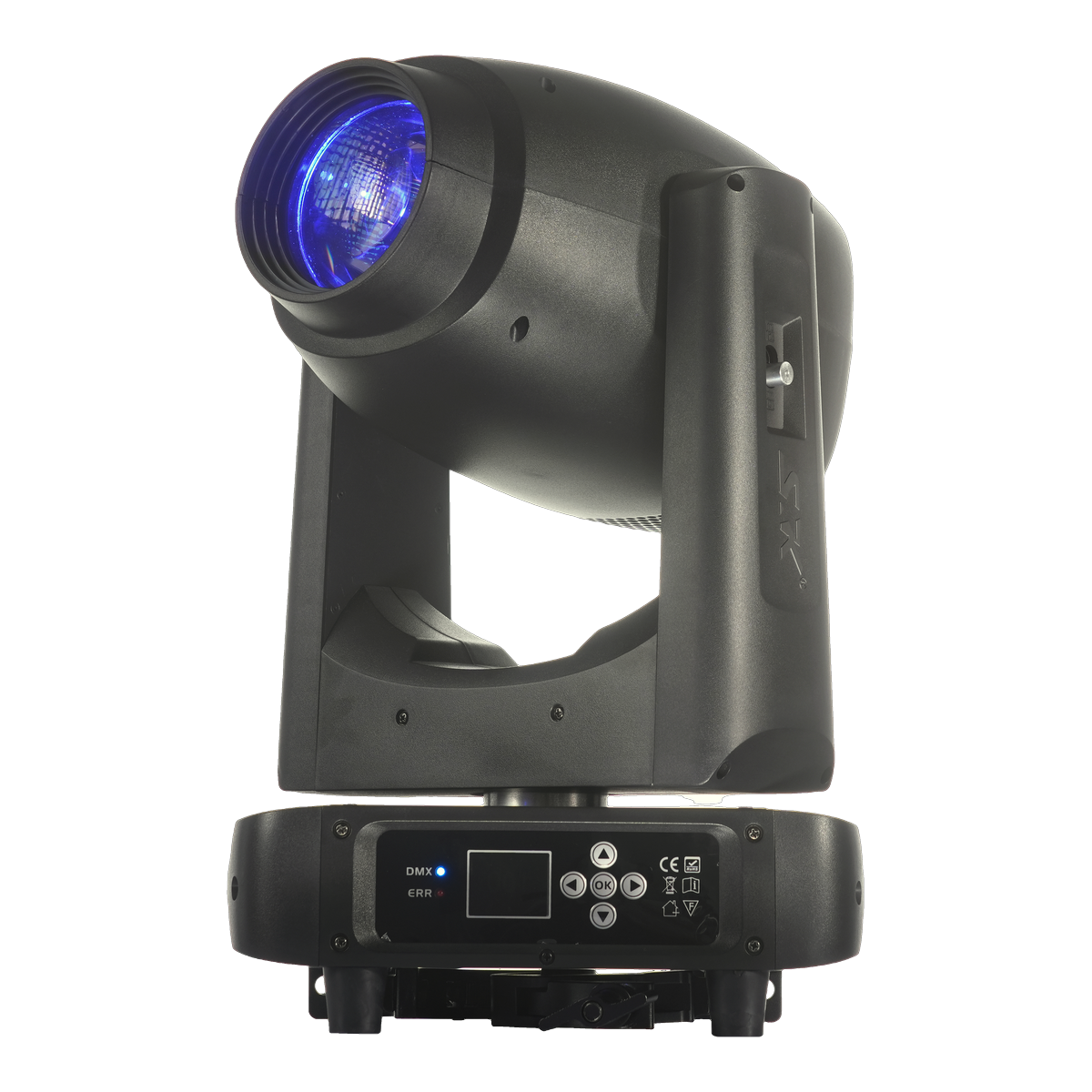
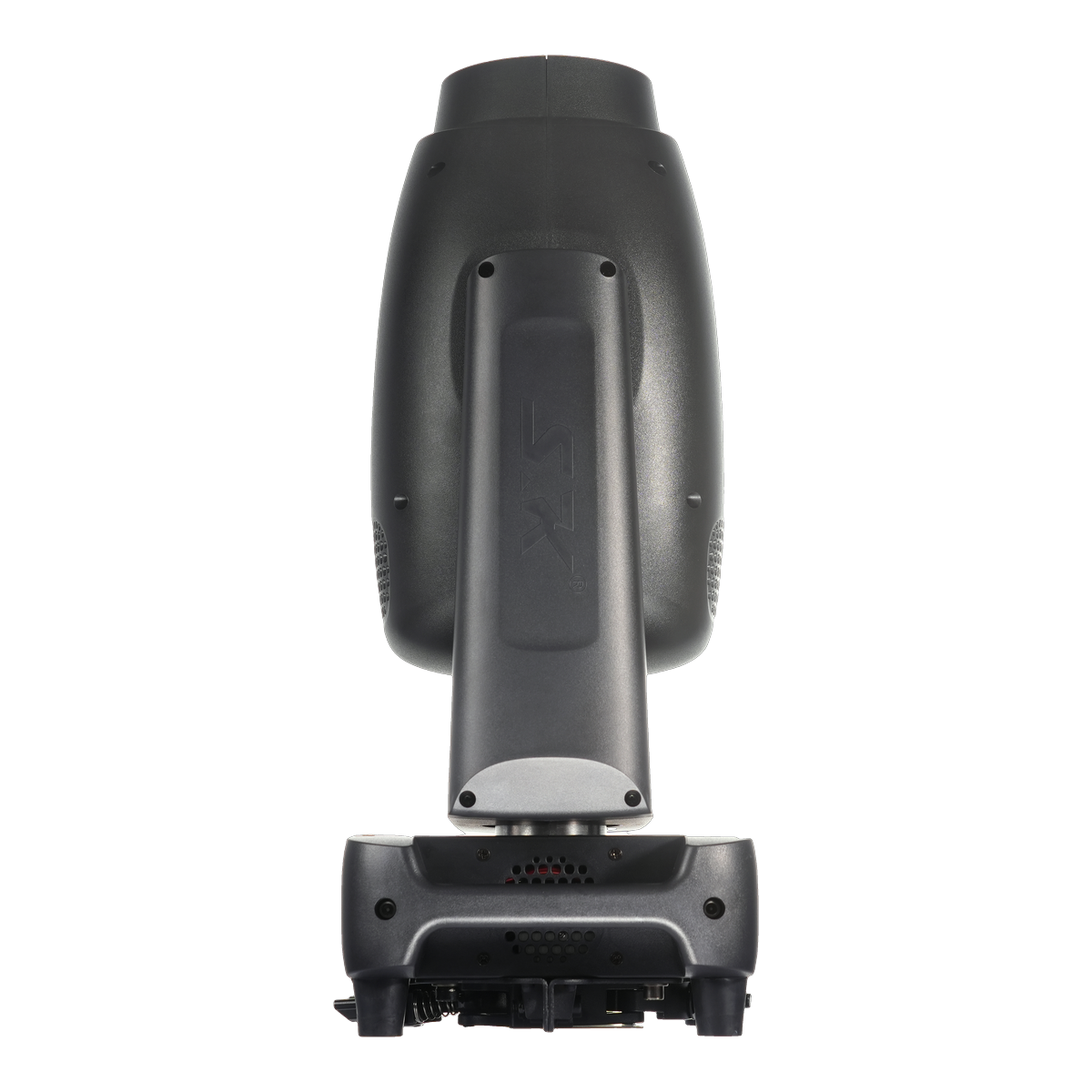
The body measures 313 × 226 × 545 mm and weighs 14.8 kg, which is a single-person lift onto a truss but heavy enough to need a proper clamp and safety. Setup is done on an LCD display with a five-button panel covering menu navigation, value changes and confirmation, and the rear panel carries the DMX and error indicators plus the fuse holder and power rocker. The working temperature range is −10°C to 45°C and the protection rating is IP20, so it is an indoor fixture.
WHO IT’S BUILT FOR
Concerts, festivals and touring productions
The 4° end gives hard aerial shafts for a rock show and opening to 34° washes a stage without adding fixtures, so a single position can carry both the beam looks and the coverage. Dual rotating prisms at 8-facet and 6-facet produce the layered mid-air effects that read across a full room, and 540° / 270° on 16-bit keeps movement smooth on slow cues. RDM means addressing happens from the console as the rig changes between dates.
Nightclubs and live music venues
A 300W engine behind a 4° beam cuts through the haze of a packed room, and the two prisms turn one fixture into a fan that fills the air on a drop. The rotating glass gobo wheel adds patterns that spin and travel, the rainbow effect on the color wheel gives movement between color positions, and the 1S/25Hz strobe covers everything from a slow pulse to a hard strobe. Frost softens the edge for the slower part of the night.
Theatres and production houses
Gobos and framing are what a theatrical rig reaches for, and the 300BSW carries 15 of them across a fixed wheel of 8 plus a rotating wheel of 7 glass gobos with independent rotation. The 4°–34° zoom and motorized focus let a designer set the beam size and sharpness from the desk rather than at the fixture, and the 9-color wheel plus rainbow covers the color changes a scene needs. Linear dimming keeps low-level fades clean.
Rental houses and multi-purpose venues
One SKU that covers beam, spot and wash is one fewer line item to buy, store, service and track, and a single 21CH personality keeps patching simple across whatever console turns up. The 14.8 kg weight and 313 × 226 × 545 mm body handle the road in a road case, and PowerCon In/Out lets several fixtures chain from one feed on a tight power plan.
Indoor use only
The VERSATILIS 300BSW carries an IP20 rating, which covers solid objects but not water. It is intended for covered indoor use — stages, clubs, theatres, halls and studios. Do not rig it in rain or in an exposed outdoor position, and avoid damp or dusty environments; for weather-exposed events choose an appropriately rated fixture from our outdoor range instead.
FREQUENTLY ASKED QUESTIONS
What makes the VERSATILIS 300BSW a hybrid rather than a beam or a wash?
The 4°–34° motorized zoom. At 4° it behaves as a beam head with a hard-edged shaft that cuts through haze; open it to 34° and it washes a stage or a floor. Because the zoom and the focus are both motorized, the fixture changes role from the console during a show rather than needing different fixtures for each job. On top of that it carries dual rotating prisms, 15 gobos across two wheels and a 9-color wheel with rainbow.
What effect do the two prisms give me?
Prism 1 is an 8-facet linear prism and Prism 2 is a 6-facet fractal prism, and each rotates independently on its own DMX channel. Run them at different speeds and one beam becomes two layered fans rotating against each other, which is the wide mid-air look that fills a room. Because they are independent, you can use one, the other, or both — and combine either with a gobo for fractured, moving shapes.
How many gobos does it have?
Fifteen across two wheels: a fixed wheel of 8 gobos plus open, and a rotating wheel of 7 glass gobos plus open, with an independent gobo rotation channel. The fixed wheel gives you quick pattern looks and the rotating wheel gives patterns that spin and travel. Layering a gobo over a prism is what produces the layered shapes that read as movement from the audience.
What DMX mode does it run, and how is it patched?
A single 21-channel DMX512 personality, covering pan and tilt with fine channels, pan/tilt speed, dimmer, strobe, color, both gobo wheels, gobo rotation, both prisms and their rotation, frost, focus with a fine channel, zoom with a fine channel and a reset/function channel. RDM is supported for addressing and configuration over the DMX line. Data connects on 3-pin XLR in/out, with 5-pin available as an option, and power uses PowerCon In/Out so fixtures chain from one feed.
Can I use it outdoors?
No. The VERSATILIS 300BSW is rated IP20, which covers solid objects but not water ingress. It is built for covered indoor use — stages, clubs, theatres, halls and studios. Do not rig it in rain, in an exposed outdoor position or in damp or dusty environments; for weather-exposed events choose an appropriately rated fixture from our outdoor range instead.
How much does it weigh, and what does it need to rig?
14.8 kg (32.6 lb) in a 313 × 226 × 545 mm body, with a working temperature range of −10°C to 45°C. That is a single-person lift but heavy enough that it needs a proper clamp and a safety cable rather than a lightweight stand. Power is AC100–240V at 50/60Hz drawing 360W, with PowerCon In/Out for chaining. Setup is done on the LCD display with the five-button panel.
What is included, and what does it cost?
The 2PCS & 1 ROAD CASE package is $1,999 and ships as two VERSATILIS 300BSW fixtures in a single road case. Every order includes free shipping on most products across the USA, a 2-year warranty and a 30-day return policy. The user manual, technical specification sheet and DMX fixture profiles (21CH, plus D4) are available as a single download from the Downloads tab.