
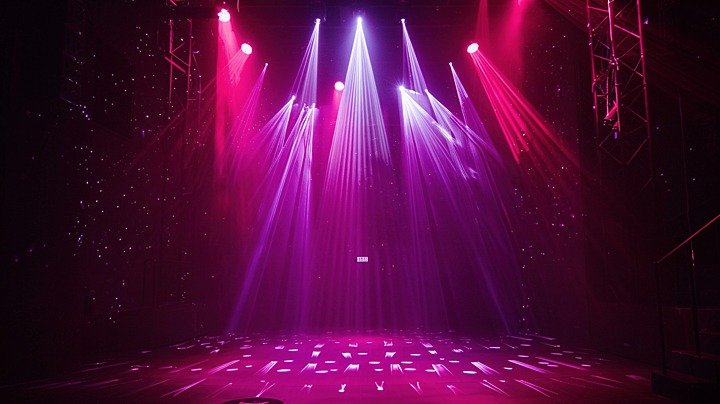
Walk into a live concert during soundcheck, and the room feels incomplete. Trusses hang silent, fixtures sit idle, and haze is barely visible in the air. Then the lights come alive, slowly, deliberately, sometimes awkwardly at first. That moment explains the profession better than any definition. Concert lighting design sits somewhere between engineering and interpretation, and people don’t usually arrive here by accident.
Interest in concert lighting design has grown alongside live entertainment itself. Tours are larger, expectations higher, budgets tighter. Visuals are no longer optional; they’re essential. This guide is written for those considering the field seriously, whether coming from music, theatre, events, or an unrelated technical background.
At its core, concert lighting design translates sound into visual structure. A lighting designer decides how an audience experiences rhythm, tension, release, and space using light rather than words.
A concert lighting designer works closely with artists, production managers, and programmers. The job isn’t limited to selecting fixtures or colors. It involves cue timing, spatial balance, and restraint. Strong design frequently goes unnoticed, while poor design draws attention for all the wrong reasons.
Stage lighting designers typically operate in faster, less forgiving environments than their architectural counterparts. There’s no opportunity to “fix it tomorrow.” Every cue must work live.
Architectural lighting aims for permanence and consistency. Concert lighting design thrives on change. Fixtures move, intensities shift, mistakes happen in real time. Event lighting and DJ lighting sometimes overlap with concerts, but touring shows demand tighter synchronization and higher output reliability.
Talent gives you a head start, but skill is what carries you further, and both only grow through collaboration and experience.
DMX control, networking basics, fixture profiles, addressing, and power distribution. These aren’t optional. Most stage lighting designers learn consoles long before they design full shows. MA Lighting and ETC platforms are common, though experience on one console rarely translates perfectly to another.
Lighting tells a story, even when the story is abstract. Color temperature choices affect emotion. Movement direction changes perceived energy. Theatre lighting packages often emphasize subtlety, which can sharpen decision-making for concerts later.
Live productions run on communication. Missed cues usually trace back to miscommunication, not creativity. Timing, listening, and quick problem-solving carry more weight than artistic ego.
There’s rarely a straight line into concert lighting design. Most paths bend, stall, and double back.
Many designers encounter lighting accidentally, perhaps in a school auditorium, a church stage, or a small club that needs someone to “run lights.
Lighting technician, stagehand, or shop prep assistant, these roles involve tasks such as running cables, maintaining fixtures, and organizing equipment. While often considered entry-level, this hands-on experience is invaluable. Gaining a thorough understanding of how equipment functions in practice provides a strong foundation for developing more effective and informed lighting design.
Programming begins slowly. Mistakes happen quietly during rehearsals and loudly during shows. Visualization software helps, but nothing replaces working with real fixtures in a live environment.
If you’re actively exploring this path, spend time backstage. Reach out to local production companies. Ask questions that show respect for the craft. That outreach is your first real step.
This debate never fully settles.
Degrees can help, especially in theatre-focused programs. They provide structured exposure to design theory and professional lighting setups. Still, many working designers lack formal credentials.
Console training workshops and manufacturer programs often deliver more immediate value. They don’t make designers, but they remove barriers to entry.
It appears that hiring decisions favor demonstrated competence over resumes. Show files carry weight, but professional references and proven experience matter even more.
Portfolios don’t need grandeur. They need to be clear and well-organized.
Churches, clubs, school events, and community festivals. These environments allow experimentation without touring-level pressure. Event lighting setups can still demonstrate timing, color logic, and restraint.
Photos are helpful, but video is far more effective. Even phone footage works if it clearly shows cue progression and how the lighting matches the music. Explain what you controlled, not just what looks impressive.
Gear doesn’t define designers, but familiarity accelerates trust.
MA Lighting desks dominate touring. ETC remains common in theatres. Exposure to both widens opportunities.
WYSIWYG and Capture reduce guesswork, though they can oversimplify real-world behavior. Fixtures often behave differently in haze-filled rooms or with inconsistent power.
Understanding moving heads, LED washes, strobes, and effects lights matters more than memorizing brand names. Many concert lighting design decisions come down to beam shape and response time.
Manufacturers like Sanyi Lights supply a broad range of these fixtures globally, which explains their presence in varied production environments without fanfare.
Every beginner repeats these. Some learn faster.
More light rarely equals better visibility. Darkness has purpose. Audiences need contrast to feel impact.
Lighting that fights the rhythm confuses viewers. Synchronization isn’t about flashing on every beat; it often means holding back and timing cues thoughtfully.
What works for one artist may not translate elsewhere. Design follows intent, not fashion.
The work scales unevenly.
Freelancers juggle multiple clients and styles. Touring designers trade stability for intensity. Both paths exist within concert lighting design, and switching later isn’t unusual.
Entry-level pay stays modest. Growth depends on reputation, reliability, and adaptability. Stage lighting designers familiar with event lighting and DJ lighting processes often enjoy steadier demand.
If this career appeals to you, observe a rehearsal from start to finish. See how many decisions happen before the audience arrives.
Shortcuts exist, but none skip effort.
Introduce yourself without immediately asking for favors. Offer your assistance, learn people’s names, and show up consistently.
Rental houses and manufacturers often notice reliable technicians. These relationships quietly shape careers over time.
Understanding fixture behavior across different brands, including those from suppliers like Sanyi Lights, can make designers more adaptable across regions and budgets.
For anyone stepping into concert lighting design, the tools you choose can define both your creative expression and technical reliability. Sanyi Lights offers a comprehensive range of stage and event lighting solutions, moving heads, LED washes, laser effects, and DMX-controlled consoles built for high performance in live environments. With over 20 years of experience, their fixtures balance durability, precise color rendering, and seamless integration, making them ideal for DJs, touring productions, or venue installations. Investing in the right equipment early can speed up your learning and help your designs translate as intended.
Shop Sanyi Lights now to get the professional stage lighting your shows deserve.
Concert lighting design rewards patience more than passion alone. The work unfolds slowly, shaped by rooms, people, and music that refuses to behave the same way twice. Some days feel mechanical, others electric, with most falling somewhere in between.
If the process itself holds your attention, not just the spotlight moments, you’re already closer than you think.
Timelines vary. Many spend several years in technical roles before designing full shows.
It can be, especially for those comfortable with travel, irregular hours, and collaboration.
No. Access matters more than ownership early on.
Yes. Theatre sharpens timing and restraint, which translates well.
Reliability, communication, and proof that you understand live environments.

